MobileFirst-Personal Websites
Latest News
|MobileFirst-Personal Websites
Latest News

Subscribe

SIGN UP FOR OUR NEWSLETTER

MobileFirst-Personal Websites

Latest News

Latest News

MobileFirst-Personal Websites

Latest News

A Message From the Founder

Why Mobile First Matters More Than Ever

Steve Pond

Steve Pond

Apr 3, 2026
A Message From the Founder

Welcome to the Mobile First Personal Websites Newsletter.


I am Steve Pond, and I have been building websites since 1996 when the web was just getting started.


Our mission remains the same: democratize website creation for individuals and small businesses. No coding required. No expensive developers. Just you, your vision, and a platform that works.

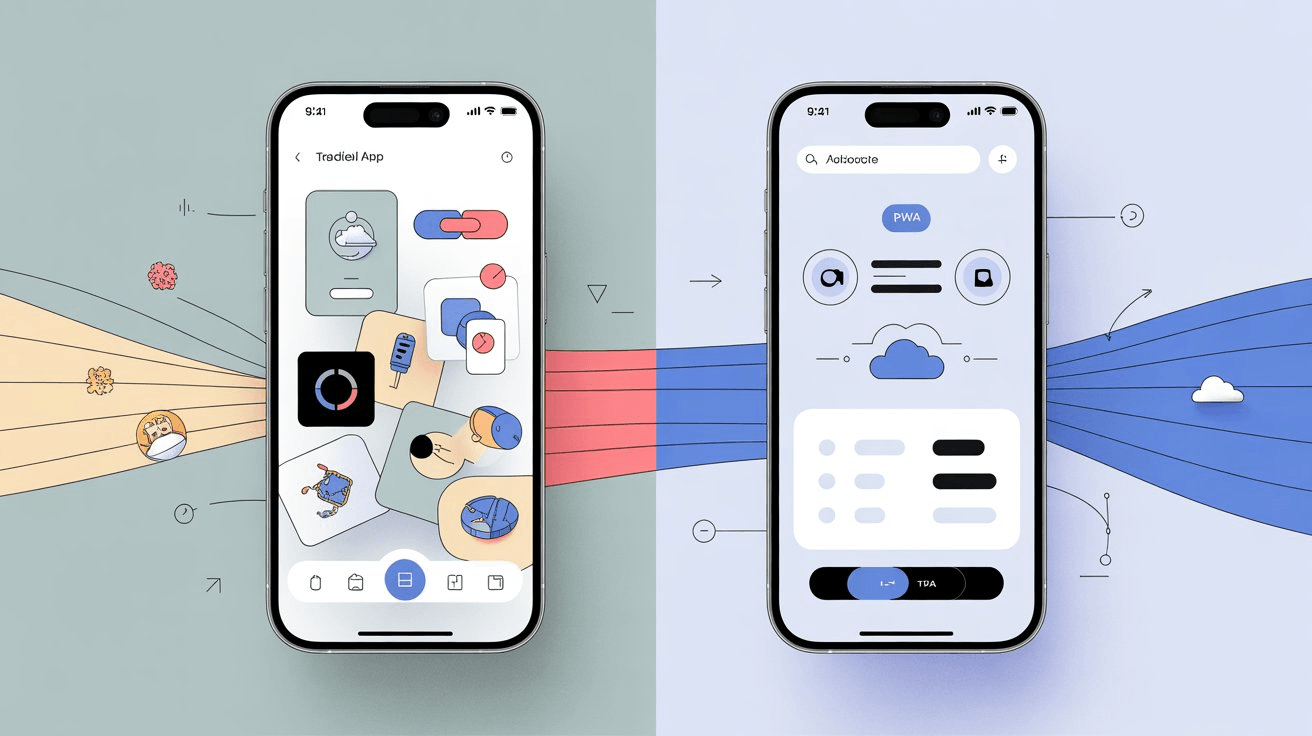
Google's Web Install API: A New Era for Progressive Web Apps

Streamlining PWA Installation Across Browsers

Steve Pond

Steve Pond

Feb 3, 2026
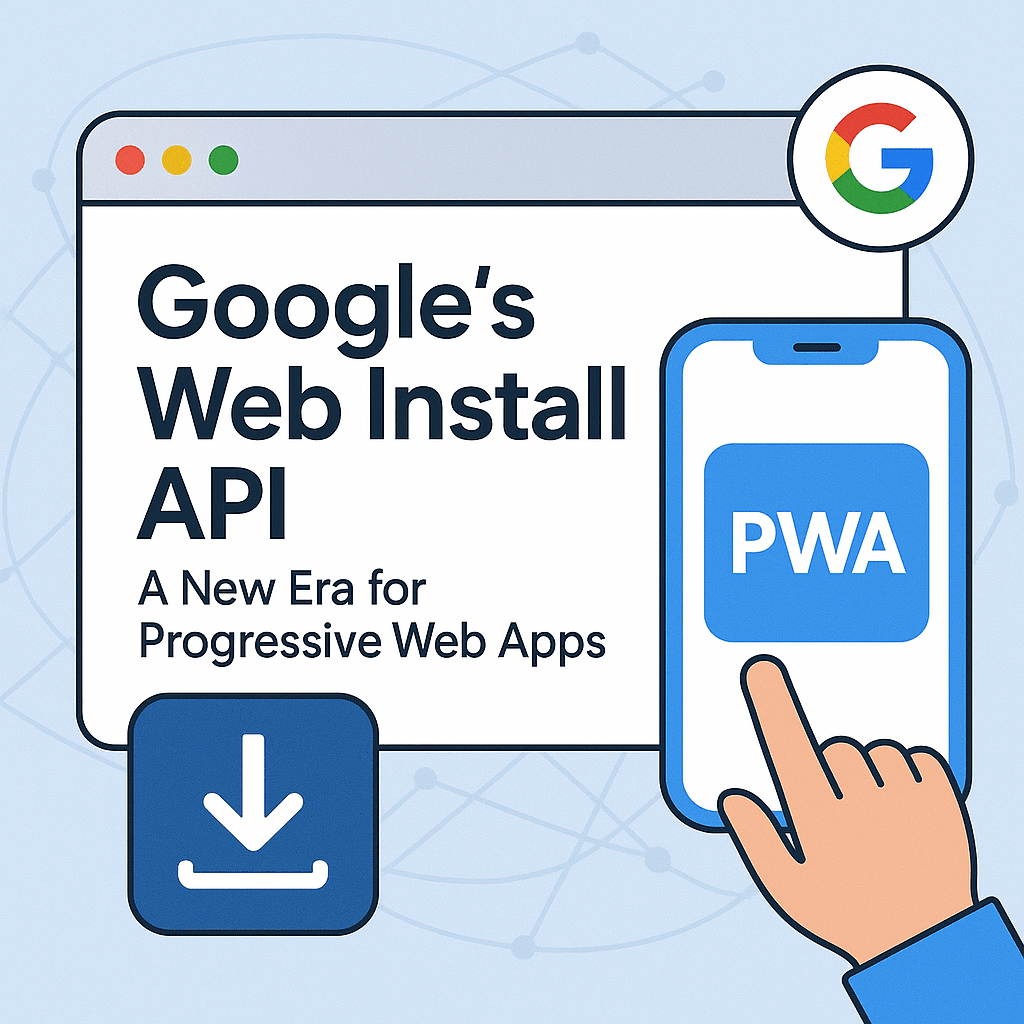
Google's Web Install API: A New Era for Progressive Web Apps

Google’s new Web Install API is changing how users add Progressive Web Apps (PWAs) to their devices.


Created with major input from Microsoft Edge engineers, this tool lets websites offer “install” buttons directly on their own pages.


Users can now install PWAs without needing browser prompts or searching app stores, while directories and catalogs can also enable one-click installations across desktop browsers.


User security remains a priority: browsers always require confirmation before any app goes onto a device, preventing unwanted installations.


The Web Install API is already available on desktop versions of Chrome and Edge, with Android support on the way.


Firefox and Safari are in talks to join but haven’t rolled out the feature yet.


This update marks a major step toward easier app discovery and installation, giving people more control and reducing dependence on traditional app stores.

Enhancing Website Conversions with Mobile-First Design Strategies

Implementing mobile-first design to boost user engagement and conversion rates

Steve Pond

Steve Pond

Feb 1, 2026
Enhancing Website Conversions with Mobile-First Design Strategies

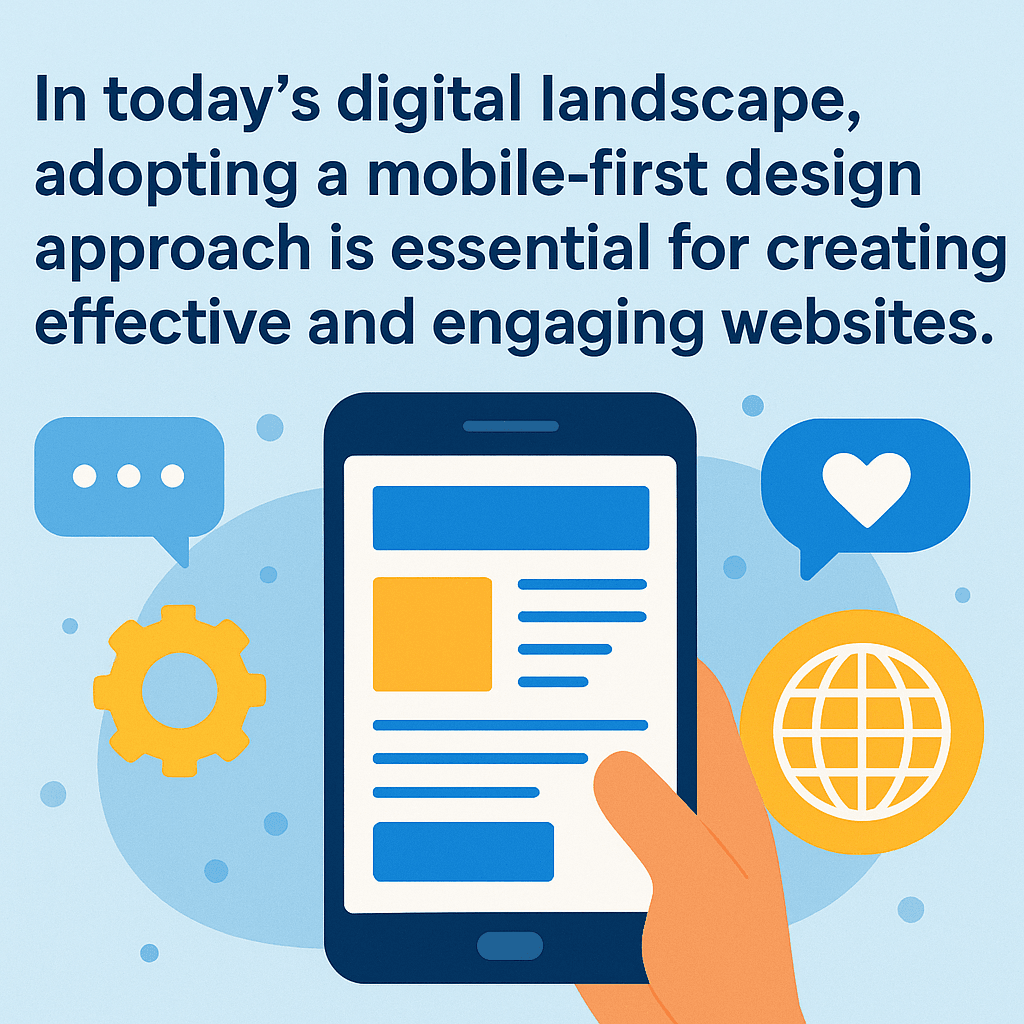
Mobile-first design is now vital for websites aiming to boost conversions in today’s mobile-centric world.


With more than 70% of online traffic coming from smartphones and tablets, ensuring a smooth, efficient mobile experience can lead to higher engagement and more sales.


Streamlined navigation, such as intuitive and touch-friendly menus, helps users quickly find what they need.


Optimizing load times by shrinking images and minimizing code is crucial, as delays of even a second can lower conversion rates by 7%.


Responsive layouts that adjust to any device size deliver a consistent, frustration-free browsing session.


Clear, bold calls-to-action make it easy for visitors to take the next step—whether that’s making a purchase or subscribing to updates.


Adopting these principles ensures websites aren’t just visually appealing but also drive real business results in a mobile-first era.

Empower Your Digital Presence with a Personal Website

Take Control of Your Online Identity Beyond Social Media

Steve Pond

Steve Pond

Jan 30, 2026
Empower Your Digital Presence with a Personal Website

Building a personal website is now a crucial step for anyone aiming to shape their online identity.


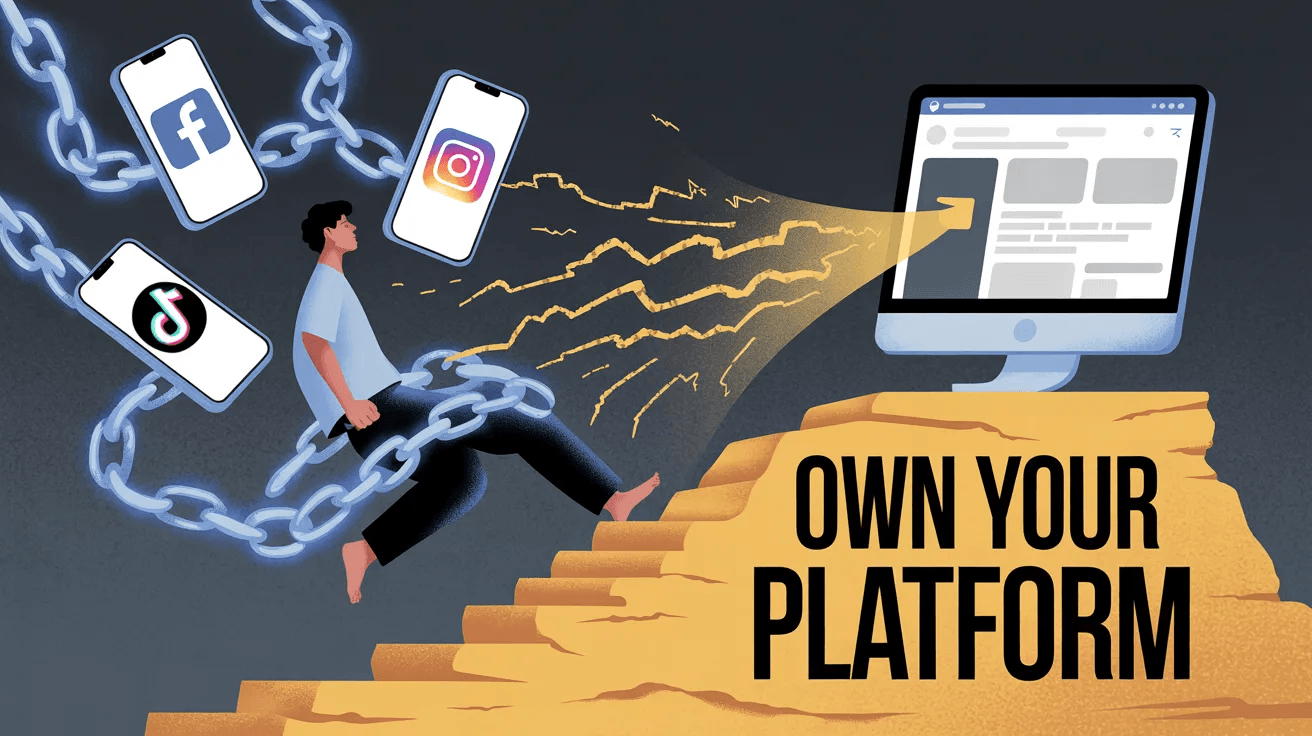
Unlike relying solely on social media, a website gives total control over your message and how it reaches your audience.


Whether you’re sharing knowledge, displaying your work, or launching a business, a dedicated site removes the barriers of algorithms and outside influence.


For creators, solopreneurs, and affiliate marketers, a website is an essential tool for delivering your message without limits.


Getting started is often free and easy, with platforms like Wix and Weebly offering beginner-friendly editors and hosting at no cost.


Additional services like Neocities and InfinityFree provide generous resources for those seeking to build their online presence affordably.


Create your personal website today to truly own your narrative and connect with your audience on your terms.

Navigating the Evolving Landscape of Application Development in 2026

Embracing Mobile-First Strategies and Emerging Technologies

Steve Pond

Steve Pond

Jan 30, 2026
Navigating the Evolving Landscape of Application Development in 2026

Every tap on your phone—whether it’s checking the weather or ordering coffee—summons a symphony of planning, programming, and testing.


Application development is equal parts creativity, logic, and a dash of detective work.


Web and app development have grown closer, with apps and websites sharing backends, security, and cloud infrastructure.


People now spend 88% of mobile time in apps, transforming mobile development into a highly competitive, fast-evolving field.


From native apps for iPhone or Android to cost-effective progressive web apps, innovation is relentless.


Partnering with professional developers means gaining design expertise, solid testing, and support when you need it most.


By 2026, AI will streamline coding, cloud computing will expand, and security measures like multi-factor authentication will be standard.


Success still comes down to solving real problems and improving continuously—because details matter, but users matter most.

Embracing Mobile-First Strategies: The Future of App Development in 2026

How New York's Tech Scene is Leading the Charge in Mobile Innovation

Steve Pond

Steve Pond

Jan 21, 2026
Embracing Mobile-First Strategies: The Future of App Development in 2026

In 2026, New York City’s tech scene is leading a shift to mobile-first strategies, as businesses recognize that just having a mobile app is no longer enough.


Companies are embedding artificial intelligence in their app design, powering personalized recommendations, predictive analytics, and smart automation.


This proactive AI helps apps anticipate user needs, increasing engagement and user satisfaction.


Inspired by Asia’s success, super apps—offering payments, messaging, and e-commerce in one interface—are gaining traction among New York startups eager to provide seamless user experiences.


The arrival of 5G technology is transforming apps with real-time communications, smooth streaming, and more powerful features, especially in healthcare, gaming, and IoT.


Security and privacy are also paramount, with local developers adopting practices like end-to-end encryption and minimal data collection to protect users and comply with regulations.


These trends place New York at the forefront of intelligent, secure mobile innovation.

Samsung's Galaxy Z TriFold: A Glimpse into the Future of Foldable Phones

Hands-On Experience with Samsung's Innovative Tri-Folding Device at CES 2026

Steve Pond

Steve Pond

Jan 17, 2026
Samsung's Galaxy Z TriFold: A Glimpse into the Future of Foldable Phones

At CES 2026, visitors were captivated by Samsung’s Galaxy Z TriFold, a breakthrough in foldable tech.


Unfolded, the device reveals a brilliant 10-inch Dynamic AMOLED 2X display, while folding down to a handy 6.5-inch smartphone size for everyday use.


Powered by a lightning-fast Snapdragon 8 Elite chip, 16GB RAM, and 512GB storage, the TriFold handles demanding apps and multitasking with ease.


Photo lovers will enjoy its 200MP main camera, capturing crisp, detailed shots in almost any setting.


The design stays elegant and practical, measuring just 12.9mm thick folded and weighing 309 grams.


Launching first in South Korea, the phone is coming to the U.S. in early 2026, likely priced near $2,500.


The Galaxy Z TriFold signals Samsung’s bold vision for the next era of mobile innovation.

DuckDuckGo vs. Google: A Privacy-Focused Search Engine Showdown

Comparing Features, Privacy, and User Experience in 2026

Steve Pond

Steve Pond

Jan 17, 2026
DuckDuckGo vs. Google: A Privacy-Focused Search Engine Showdown

Choosing the right search engine shapes your online privacy and experience.


Google dominates the market with about 90% share, offering deeply personalized results by analyzing users’ data and integrating services like Gmail and Maps.


This convenience comes at the cost of extensive data collection, which has sparked concerns over privacy and security.


In contrast, DuckDuckGo’s strict no-tracking policy appeals to users who value anonymity, ensuring searches aren’t recorded or shared.


DuckDuckGo doesn’t offer Google’s broad ecosystem, but provides uniform, unbiased search results without building user profiles.


Although DuckDuckGo holds only a 2.4% market share, its user base is steadily growing, fueled by rising digital privacy concerns.


Ultimately, the decision boils down to whether you value personalized convenience or strong privacy protections most.

Understanding the Differences Between MobileFirst-Personal Websites and MobileIntros

A Comparative Analysis for Solopreneurs and Small Businesses

Steve Pond

Steve Pond

Jan 17, 2026
Understanding the Differences Between MobileFirst-Personal Websites and MobileIntros

Solopreneurs and small businesses can choose between MobileFirst-Personal and MobileIntros to build their mobile-optimized websites.


Both platforms use mobile-first technology, offer a variety of widgets including the BizCard, and allow sites to be installed as Progressive Web Apps (PWAs).


The main difference lies in domain management and branding.


MobileFirst-Personal gives users control by requiring a separately purchased domain and SSL certificate, enabling a fully personalized brand identity.


Users configure their own DNS, so the website stands apart with a unique domain.


On the other hand, MobileIntros provides an automatically generated URL—such as [yourname].mobileintros.ca—which removes the need for extra domain purchases or DNS setup.


This brings convenience but keeps branding connected to MobileIntros.


Ultimately, the decision depends on whether you prefer standalone branding or the simplicity of a built-in URL.


Mobile App Usage Surges Across Canada

Canadians Embrace Mobile Technology in Daily Lives

Steve Pond

Steve Pond

Jan 17, 2026
Mobile App Usage Surges Across Canada

Mobile app usage in Canada has surged, signaling the country’s enthusiastic shift toward digital technology.


The market’s value reached an estimated $3 billion in 2024, reflecting remarkable growth in just a few years.


Canadians now spend an average of 4.6 hours daily on mobile apps, combining for nearly 20 billion hours of app use annually.


Millennials lead this trend, with 96% engaging in mobile apps every day—almost half of all users open applications more than ten times daily.


Social networking platforms remain dominant, connecting roughly 90% of Canadians.


In 2024, Temu became the country’s most downloaded app, topping 7.5 million installs, while Disney+ generated a leading $40 million in revenue.


With digital lifestyles on the rise, mobile technology is set to play an even greater role for Canadians in the years ahead.

Motorola Signature: A New Era in Mobile Innovation

Introducing Motorola's Ultra-Premium Smartphone with Unparalleled Features

Steve Pond

Steve Pond

Jan 8, 2026
Motorola Signature: A New Era in Mobile Innovation

Motorola introduces the Signature, its most exclusive flagship, blending luxury and high-performance technology.


At just 6.99mm thin and framed in aircraft-grade aluminum, this device features premium finishes inspired by twill and linen.


Available in Pantone-selected shades like Martini Olive and Carbon, the phone stands out with sophisticated style.


The vibrant 6.8-inch Extreme AMOLED display, boasting a rapid 165Hz refresh rate and incredible 6,200 nits peak brightness, is protected by Gorilla Glass Victus 2.


Photographers will love the quad 50MP Sony LYTIA cameras, including ultra-wide and periscope telephoto options, all powered by advanced AI.


Driven by the cutting-edge Snapdragon 8 Gen 5 processor, the Signature excels in speed and efficiency.


The robust 5,200mAh silicon-carbon battery offers all-day power in minutes with 90W TurboPower charging.


With seven years of updates, Bose-tuned dual speakers, Dolby Atmos, and IP68/IP69 protection, this €999 smartphone launches first in Europe before expanding globally.

Empowering Entrepreneurs with Mobile-First Digital Solutions

Tailored Platforms for Personalized Websites and Digital Business Cards

Steve Pond

Steve Pond

Jan 4, 2026
Empowering Entrepreneurs with Mobile-First Digital Solutions

Building a strong online presence has become essential for entrepreneurs and small businesses in today’s digital age.


MobileFirst-Personal helps solopreneurs and SMBs create branded websites with a complete e-commerce system—no expensive extras required.


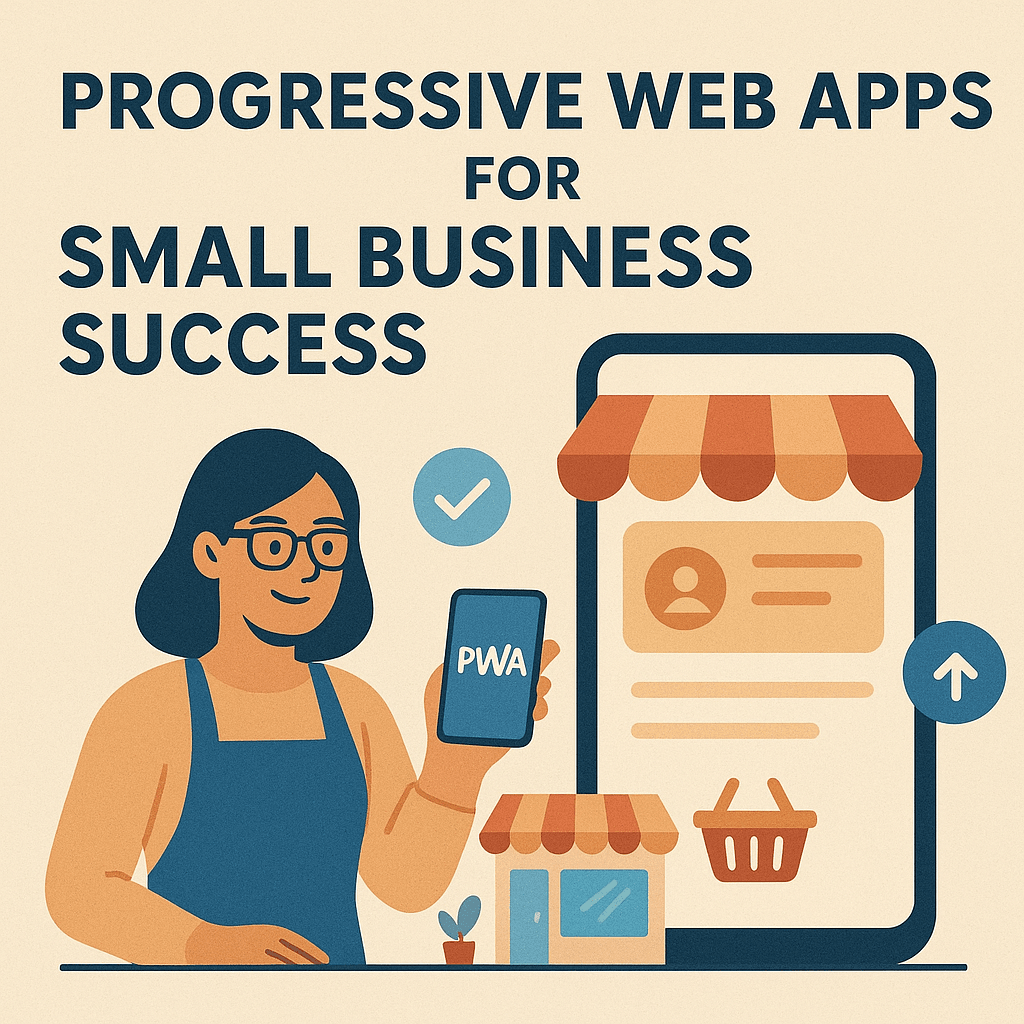
Users can sell courses easily by using the integrated academy module, and sites can even function as Progressive Web Apps when paired with a personal domain and MobileFirst SSL certificate.


Meanwhile, MobileIntros.ca is perfect for professionals who want a simple digital presence without the hassle of domain management.


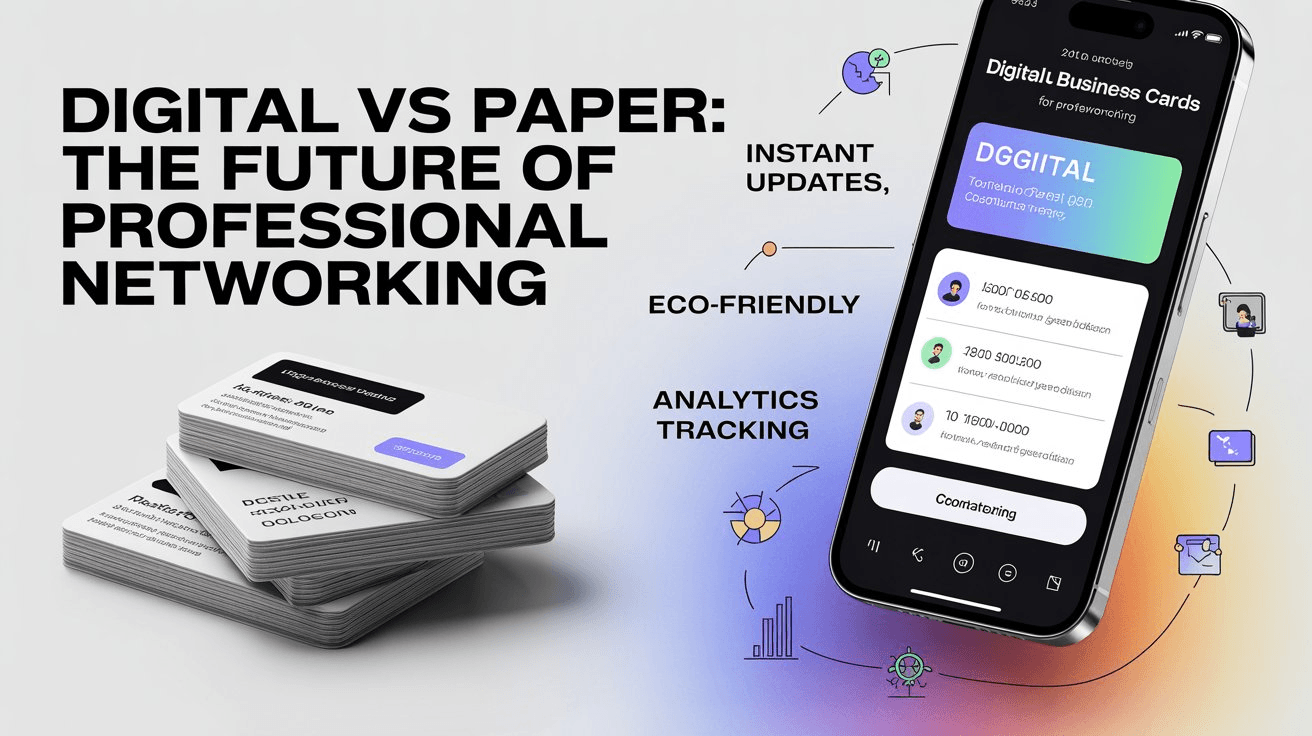
The platform specializes in digital business cards, offering stylish templates and immediate home screen access to boost client engagement.


Both platforms take a mobile-first approach, delivering fast performance, offline access, and push notifications for seamless user experiences.


These solutions empower businesses and individuals to craft online experiences tailored to their unique needs.

Embracing PWAs for Secure, Mobile-First Social Networking

Building Private Communities Beyond Traditional Platforms

Steve Pond

Steve Pond

Dec 19, 2025
Embracing PWAs for Secure, Mobile-First Social Networking

Progressive Web Apps (PWAs) are becoming popular for building secure, mobile-first social networks, appealing to people who value privacy in online interactions.


Affordable web platforms now let users create personal, password-protected PWAs, shared only with select friends or clients.


This results in closed, private communities, presenting a distinct alternative to mainstream giants like Facebook and TikTok.


Businesses and individuals are increasingly turning to PWAs to boost engagement and safeguard user data.


For example, Twitter Lite saw a significant surge in activity after adopting a PWA format, revealing their effectiveness in driving interactions.


PWAs also allow real-time push notifications, delivering instant updates to users and keeping groups—like families and interest clubs—closely connected.


Thanks to modern platforms with adaptive website editors, the once complex process of PWA creation is now much simpler and more interactive.


As a result, communities can now safely share and communicate, moving away from the risks found on large commercial networks.

The Shift Towards Mobile-First and Progressive Web Apps: Redefining Digital Engagement

Exploring the evolution from traditional app stores to web-first platforms and the rise of PWAs

Steve Pond

Steve Pond

Dec 11, 2025
The Shift Towards Mobile-First and Progressive Web Apps: Redefining Digital Engagement

The dominance of traditional app stores is fading as users and developers pivot toward web-based solutions and Progressive Web Apps (PWAs).


People increasingly prefer seamless, browser-based access to platforms like Twitter, YouTube, and Spotify, reducing reliance on downloads and freeing up device storage.


Advances in technology and changing user habits are empowering developers to bypass strict app store policies, resulting in faster updates and broader device compatibility.


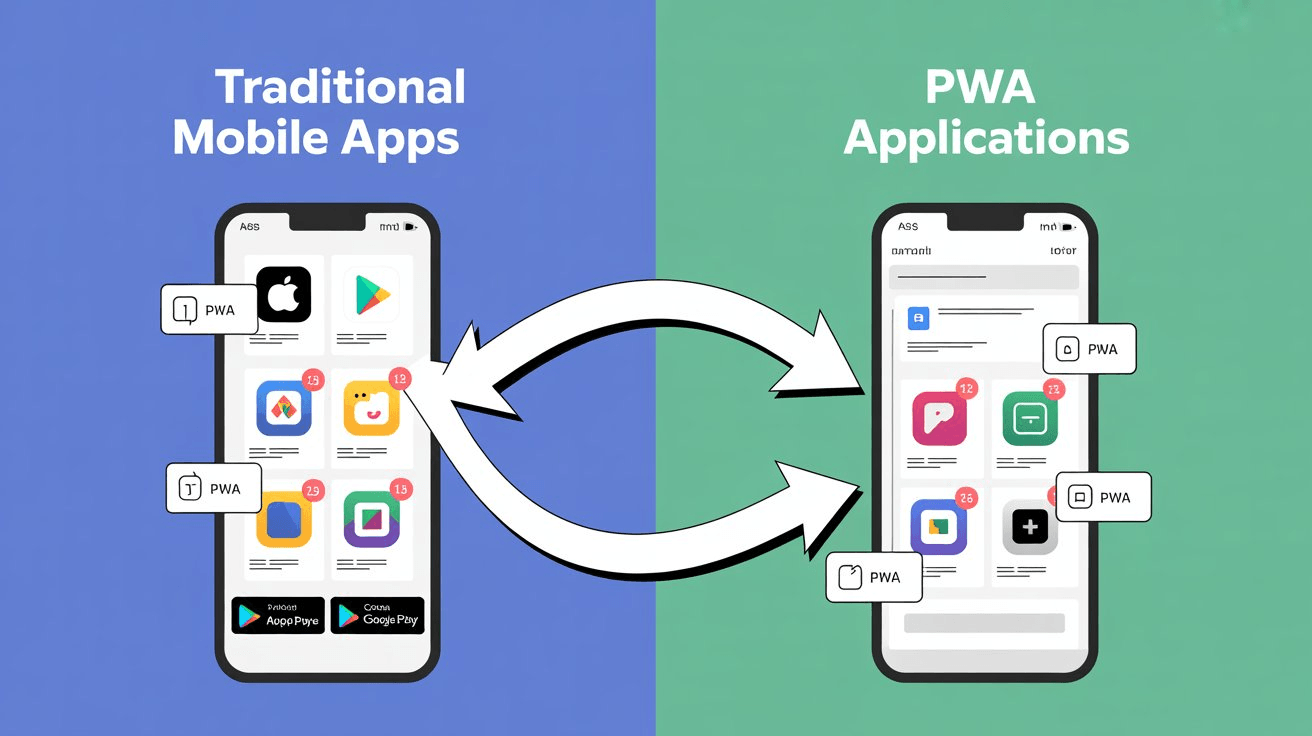
PWAs bridge the gap between native and web apps, offering offline access, push notifications, and easy installation, all while enabling efficient, unified development.


Regulations like Europe’s Digital Markets Act are driving change, allowing users to install apps directly and sideload alternatives, putting more choice in their hands.


The world’s biggest tech companies—Apple, Google, and Microsoft—are adapting by strengthening their PWA support, signaling a new era of digital access that prioritizes flexibility, speed, and user control.

Progressive Web Apps vs. Native Apps: Navigating the 2025 Mobile Landscape

Evaluating the strengths, challenges, and strategic considerations of PWAs and native apps in the evolving digital ecosystem.

Steve Pond

Steve Pond

Nov 19, 2025
Progressive Web Apps vs. Native Apps: Navigating the 2025 Mobile Landscape

The debate over Progressive Web Apps (PWAs) versus native apps stays strong in 2025, as both options shape how businesses connect with users.


PWAs keep rising in popularity, especially in e-commerce and content platforms, thanks to their affordability and ability to reach wide audiences.


Native apps, however, remain essential for high-performance needs in gaming and augmented reality, where close hardware connections matter most.


Native apps deliver top performance but require different builds for each device, which increases cost and effort.


PWAs, developed from a single codebase, unify experiences and minimize expenses for businesses aiming for speed and reach.


Tech giants like Google and Microsoft now embed greater PWA support, while Apple gradually includes more features for iOS users.


Regulatory shifts are also encouraging broader app access worldwide.


In 2025, no single approach dominates, as businesses benefit by matching their tech strategy to unique goals—sometimes blending both methods for greater impact.

Embracing Progressive Web Apps: The Future of Mobile-First SEO

How PWAs Are Revolutionizing Mobile User Experience and Search Engine Optimization

Steve Pond

Steve Pond

Oct 25, 2025
Embracing Progressive Web Apps: The Future of Mobile-First SEO

Progressive Web Apps (PWAs) are transforming mobile-first strategies by blending the top features of both web and native apps, delivering a fast, app-like experience right through browsers.


With mobile devices now generating over 63% of web traffic, ensuring smooth, optimized performance on smartphones is more important than ever.


Major brands like Starbucks saw daily active users double and order rates match their native app after switching to a PWA, all with a footprint 99.84% smaller.


Pinterest’s PWA rollout led to a striking 60% leap in core engagements and boosted ad revenue by 44%.


PWA adoption also drives better search rankings by improving Core Web Vitals and loading fast on any device—a must for Google's mobile-first approach.


Across industries, PWAs enhance engagement with features like offline access and notifications, helping businesses thrive in today's competitive digital landscape.

Top Mobile-First Website Editors for 2025

Discover the leading tools to create responsive, mobile-friendly websites effortlessly.

Steve Pond

Steve Pond

Oct 20, 2025
Top Mobile-First Website Editors for 2025

A mobile-friendly website is more vital than ever in 2025's digital world.


Wix delivers intuitive drag-and-drop design, offering over 500 modern templates, strong e-commerce features, and comprehensive SEO tools.


Squarespace impresses with elegant templates and streamlined setup, making it the top pick for anyone seeking both style and simplicity.


Hostinger Website Builder leverages AI to help users create responsive websites fast, ideal for those without technical expertise.


Weebly stands out with its effortless editor, perfect for small businesses and personal sites aiming for straightforward web presence.


Mobirise lets users build and publish attractive bootstrap websites for free, with no coding required, across multiple platforms.


Each platform offers unique strengths, so consider your needs and experience level when choosing the right tool to launch a standout, mobile-ready site in 2025.

Doomscrolling in the Bathroom: A Risky Habit for Your Health

Extended smartphone use on the toilet may increase the risk of hemorrhoids

Steve Pond

Steve Pond

Oct 13, 2025
Doomscrolling in the Bathroom: A Risky Habit for Your Health

Many people now take their smartphones into the bathroom, making doomscrolling a regular part of daily routines.


New research suggests this common habit could raise health concerns, particularly the risk of hemorrhoids.


A study of 125 adults showed that 66% used mobile phones during bathroom visits, with over a third lingering for more than five minutes per session.


Compared to those who didn’t use phones, these individuals faced a 46% higher risk of developing hemorrhoids—even after factoring in age and lifestyle.


Hemorrhoids, marked by swollen veins and discomfort, are linked to extended time on the toilet, as increased pressure in the area leads to the condition.


Health experts advise limiting bathroom stays and keeping phones out to safeguard well-being.

Navigating the AI Acceleration Wave in Mobile App Development

Balancing Automation and Human Creativity in the Mobile-First Era

Steve Pond

Steve Pond

Oct 12, 2025
Navigating the AI Acceleration Wave in Mobile App Development

The surge of artificial intelligence is reshaping mobile app development, powering a mobile-first wave in cities like Las Vegas.


Advanced tools such as GitHub Copilot and FlutterFlow now automate coding and simplify design, allowing startups to quickly launch cross-platform apps without large teams.


In healthcare, AI assistants help clinics streamline tasks like appointment scheduling and follow-ups, boosting efficiency for local patients and providers.


Yet, the heart of an app remains its human touch.


Successful applications rely not just on smart automation, but on thoughtful design that builds real trust and emotional connection.


Las Vegas-based tech firms are blending AI-driven efficiency with creative, human-centered strategies to deliver standout user experiences.


Going forward, the most impactful apps will merge AI innovation and human insight—to deliver tools that are functional and thoughtfully engaging.

Essential Characteristics of Mobile-First Website Development in 2025

Prioritizing Mobile Users to Enhance Engagement and Performance

Steve Pond

Steve Pond

Oct 9, 2025
Essential Characteristics of Mobile-First Website Development in 2025

In 2025, a mobile-first approach in website development is more important than ever, with over 60% of global web traffic now coming from mobile devices.


Prioritizing mobile users ensures websites deliver a smooth, consistent experience across smartphones, tablets, and desktops.


Responsive design uses flexible grids and media queries, so sites automatically adjust to any screen size.


Speed is also essential — optimizing images, refining code, and using browser caching help sites load in seconds, keeping engagement high.


Touch-friendly navigation, clear menus, and larger buttons make interacting on mobile easy and intuitive.


AI-powered personalization further elevates experiences, offering dynamic content based on user preferences.


Voice search optimization and progressive web apps improve accessibility and make websites feel like seamless mobile apps.


By implementing these strategies, businesses stay competitive and relevant in an evolving digital world.

Embracing Mobile-First and AI: The Future of Website Design

How Mobile-First Design and AI Integration Are Shaping Modern Web Experiences

Steve Pond

Steve Pond

Oct 8, 2025
Embracing Mobile-First and AI: The Future of Website Design

Mobile-first design is now essential as mobile devices account for over 60% of global web traffic.


Prioritizing mobile optimization with responsive layouts, quick load times, and thumb-friendly navigation creates a seamless browsing experience.


This focus not only boosts user engagement but also improves search engine rankings.


Integrating artificial intelligence (AI) into web design is transforming how visitors interact with digital platforms.


AI-driven personalization serves up dynamic content tailored to each user's behavior, preferences, and location, delivering a more engaging experience.


Meanwhile, smart chatbots offer instant support, enhancing customer service and reducing bounce rates.


As AI capabilities grow, its influence on web design will deepen, making websites more intuitive and responsive.


Businesses that embrace mobile-first, AI-powered strategies are best positioned to meet the evolving needs of today’s tech-savvy users.

Harnessing HTML Templates for Mobile-First Web Design in 2025

Streamline Your Website Development with Responsive and Cost-Effective Solutions

Steve Pond

Steve Pond

Oct 7, 2025
Harnessing HTML Templates for Mobile-First Web Design in 2025

Building a standout online presence is crucial for both individuals and businesses in today’s digital age.


Crafting a website from the ground up often feels overwhelming and expensive.


HTML templates offer a practical solution, delivering pre-made, customizable designs that save money and time.


With a sharp focus on mobile-first design for 2025, most templates ensure your site looks great and functions flawlessly on any device.


Responsive layouts help reach the growing mobile user base, enhancing accessibility and user experience.


Templates also streamline development, lowering costs and speeding up launch times without sacrificing quality or style.


Easy customization means you can align every detail—from colors to layout—with your brand vision.


Prioritize mobile responsiveness, SEO optimization, and support when choosing the right template.


Start your web journey confidently by harnessing the efficiency and creative potential of HTML templates.

Embracing Mobile-First Design: Essential Upgrades for Web Developers

Enhancing User Experience and Traffic Through Strategic Mobile Optimization

Steve Pond

Steve Pond

Sep 23, 2025
Embracing Mobile-First Design: Essential Upgrades for Web Developers

Mobile-first design has become essential as most web traffic now comes from mobile devices.


Optimizing websites for smaller screens improves user experience and supports higher search engine rankings.


Adopting this strategy means creating for mobile audiences first—then expanding designs for desktops and other devices.


Key enhancements include responsive design for smooth adaptation to any screen, Accelerated Mobile Pages for fast loading, and Progressive Web Apps for offline use and app-like performance.


Voice search optimization is also vital, making content more accessible with natural language and compatibility with voice assistants.


Integrating these upgrades ensures websites are engaging, efficient, and reach the expanding mobile audience.


Staying proactive in mobile optimization is key for attracting and retaining visitors in today’s digital world.

Google Integrates Gemini AI into Chrome, Transforming Browsing Experience

New AI features in Chrome enhance productivity, security, and user interaction

Steve Pond

Steve Pond

Sep 19, 2025
Google Integrates Gemini AI into Chrome, Transforming Browsing Experience

Google has launched a major update to Chrome, featuring the advanced Gemini AI to elevate how users browse and interact online.


Gemini is now built directly into Chrome, offering users an AI assistant to clarify complex content, suggest recipe substitutions, and provide step-by-step guidance on web pages.


It streamlines tasks by summarizing articles, helping find references in YouTube videos, and locating previously visited sites for improved efficiency.


A standout innovation is multi-tab understanding—Gemini can recognize the context across several open tabs, delivering more precise, context-aware support, especially helpful for research or multitasking.


The omnibox, or address bar, is also enhanced, enabling users to ask complex questions and receive thorough answers directly within the browser.


AI-powered security measures now better protect against scams and phishing, while password management is made easier with automatic resets for compromised accounts.


Currently rolling out in the U.S., these features will soon expand globally, promising a smarter, safer, and more intuitive browsing experience.

Slow Load Times and Poor Web Design Drive Consumers Away

Survey Highlights the Importance of Mobile-First Design in Retaining Online Shoppers

Steve Pond

Steve Pond

Sep 15, 2025
Slow Load Times and Poor Web Design Drive Consumers Away

Today’s digital consumers demand fast and seamless online experiences.


More than half of shoppers will abandon a website if it takes over 10 seconds to load.


Nearly a third won’t even wait 5 to 10 seconds.


These trends make mobile-first web design more crucial than ever for businesses aiming to stay competitive.


Website design itself wields significant influence—84% of people say it impacts their decision to shop with a brand, while 80% have left a site due to poor layout, even when interested in the product.


To keep users engaged, businesses are tapping AI-driven personalization, progressive web apps for speed and offline access, and dark mode for comfort.


Voice search optimization and gesture-based navigation are also becoming standard for a truly modern, intuitive experience.


Adopting these strategies helps create efficient, customer-focused websites that are ready for the future.

Ensuring Your Child's Safety with Their First Mobile Phone

A Comprehensive Guide for Parents on Choosing and Securing a Child's Mobile Device

Steve Pond

Steve Pond

Sep 13, 2025
Ensuring Your Child's Safety with Their First Mobile Phone

Introducing your child to their first mobile phone is an important milestone that calls for thoughtful planning.


Select a device equipped with age-appropriate features, such as parental controls or limited internet access.


Whether you choose a feature phone or a smartphone, built-in tools on Android and iOS let you manage screen time and filter content to support responsible use.


Discuss the value of privacy and security by highlighting the dangers of sharing personal information and encouraging strong passwords.


Stay engaged with your child’s online life by reviewing their social media profiles and adjusting privacy settings.


Set clear guidelines for when and where phones can be used at home to foster balance.


Protect the device with a sturdy case, install security apps, and encourage safe habits, such as not leaving the phone unattended.


Open, ongoing communication helps ensure your child’s experience remains safe and positive.

Progressive Web Apps vs. Native Applications: Navigating the 2025 Mobile Development Landscape

Evaluating the Pros and Cons of PWAs and Native Apps for Optimal Mobile Strategy

Steve Pond

Steve Pond

Sep 13, 2025
Progressive Web Apps vs. Native Applications: Navigating the 2025 Mobile Development Landscape

In 2025, businesses navigating mobile development must choose between native applications and Progressive Web Apps (PWAs), each offering unique benefits and drawbacks.


Native apps deliver unmatched performance and deep device integration, but often require separate codebases for iOS and Android, leading to higher costs and longer timelines.


PWAs, powered by web technologies, appeal with their single codebase, easy updates, and lower initial investment—companies have saved up to 50% on development.


Yet, PWAs still face hurdles, such as limited device feature access and a perception of weaker security—about 30% of users in 2025 reported less trust in browser-installed apps.


The emerging hybrid strategy combines the strengths of both, allowing core features via native apps and rapid updates through PWA components.


Ultimately, the right path depends on specific business goals, user preferences, and available resources.

Empower Yourself: Build Your Own Mobile-First Website and PWA with Ease

Discover how user-friendly tools enable anyone to create professional websites and Progressive Web Apps without prior experience.

Steve Pond

Steve Pond

Sep 12, 2025
Empower Yourself: Build Your Own Mobile-First Website and PWA with Ease

If you can complete a form in your web browser, you’re ready to launch your own website—no outside assistance necessary.


Modern, form-based platforms make it simple for anyone to build a professional online presence with ease.


These solutions use a mobile-first strategy, guaranteeing your site works beautifully on smartphones and tablets.


After setup, transforming your site into a Progressive Web App (PWA) is just a few clicks away.


PWAs deliver blazing-fast load times, offline access, and push notifications—merging the best of websites and native apps.


Many businesses have seen up to a 76% boost in conversions after switching to a PWA.


Try the free Sandbox plan to explore the intuitive website builder and see how effortless it is to craft your own site.


Your site is fully hosted, letting you focus entirely on your vision.


Take charge of your online presence with these powerful, easy-to-use tools.

Why You Absolutely Need a Personal Website in 2025

Discover the unparalleled advantages of owning your digital space over relying solely on social media.

Steve Pond

Steve Pond

Sep 6, 2025
Why You Absolutely Need a Personal Website in 2025

In the digital age, a personal website is essential for standing out and maintaining control over your online identity.


Unlike social media platforms, a personal website gives you full authority over how your content appears and how it’s accessed.


Your site ensures your work is seen as you intend, without interference from changing algorithms or limited visibility.


Professionalism and credibility shine through a well-constructed website, which acts as a hub for your portfolio, services, and achievements.


SEO optimization boosts your discoverability, letting search engines highlight your original content beyond what social feeds allow.


Owning your platform also means stronger security and true ownership of your data, untouched by shifting terms or conditions on social media.


Ultimately, investing in your own website establishes a robust, independent, and credible digital presence.

Enhancing Online Privacy with Progressive Web Apps in a Mobile-First World

Strategies to Safeguard Personal Data Amid Evolving Digital Landscapes

Steve Pond

Steve Pond

Sep 4, 2025
Enhancing Online Privacy with Progressive Web Apps in a Mobile-First World

Online privacy is becoming harder to protect in a world dominated by mobile-first technology and stricter regulations.


Freddie New, a leading policy expert at a UK Bitcoin think tank, urges individuals to act decisively to safeguard their digital data.


The UK's new Online Safety Act now requires users to submit identifying information for certain websites, aiming to protect young people but sparking fresh privacy concerns.


Across the Atlantic, U.S. prosecutors are targeting cryptocurrency mixers, further limiting online anonymity.


New champions practical solutions like Progressive Web Apps (PWAs), which allow users to bypass traditional app store tracking by functioning through browsers.


This reduces information sharing with tech giants.


He also recommends VPNs and encrypted email services for extra protection.


By integrating these tools, everyday users can preserve privacy and navigate modern digital risks with confidence.

Website Traffic Statistics in 2025: Key Insights

An In-Depth Look at Global Internet Usage and Top-Performing Websites

Steve Pond

Steve Pond

Sep 2, 2025
Website Traffic Statistics in 2025: Key Insights

Over 1.2 billion websites exist online in 2025, but fewer than 200 million are active.


Digital activity is soaring, making it vital to track website traffic and user trends.


Google.com dominates the web with more than 105 billion monthly visits, while YouTube and Facebook also attract massive audiences.


Global internet users now number 5.65 billion—nearly 69% of the world’s population.


Mobile devices account for 63% of all web browsing, making them the leading way people access the internet.


China and India contribute almost 2 billion users combined, reflecting the shift in digital influence.


Facebook is the top social referral source, driving over 71% of visits from social media, while organic search delivers 53% of overall traffic.


Staying visible online in 2025 relies on mobile optimization and strong search strategies.

iOS 26 Safari Update Introduces Compact Layout and Enhanced Web Apps

Apple's latest Safari redesign offers a minimalist interface and improved web app functionality.

Steve Pond

Steve Pond

Sep 1, 2025
iOS 26 Safari Update Introduces Compact Layout and Enhanced Web Apps

Apple’s iOS 26 update introduces a bold, minimalist redesign for Safari, rolling out now to all compatible iPhones worldwide.


The new interface features a streamlined, compact layout that tucks away navigation controls like Share and Bookmarks in a bottom-right pop-out menu, enhancing screen space but requiring an extra tap for access.


Users can switch between three tab bar styles—Compact, Bottom, or Top—offering flexibility based on personal preference.


Web apps get a major boost, as any website can now be pinned to the Home Screen and open in its own dedicated window for a clutter-free, app-like experience.


Privacy enhancements, including advanced fingerprinting and link tracking prevention, work quietly in the background for stronger security.


iOS 26’s Safari is designed for a cleaner look, more productive browsing, and increased privacy—marking a significant step forward for Apple users.

Mobile-First Approach: Adapting to the UK's E-Commerce Evolution

With mobile commerce dominating, UK retailers must prioritize mobile-friendly strategies to stay competitive.

Steve Pond

Steve Pond

Aug 28, 2025
Mobile-First Approach: Adapting to the UK's E-Commerce Evolution

Mobile commerce now drives 55% of the UK’s e-commerce sales, up sharply from 48% just earlier in 2024.


Smartphone ownership in the UK is nearly universal, with 91% of adults owning a device and 76% shopping via mobile in the past six months.


This rapid adoption signals a clear need for retailers to embrace a mobile-first mindset.


Shoppers expect smooth and secure experiences, from discovery to checkout, all on their phones.


For businesses, prioritizing responsive design and simplified navigation is key.


Offering one-click payments and supporting digital wallets like Apple Pay and Google Pay further boosts convenience and security.


Retailers focusing on mobile optimization stand to see greater engagement and higher sales as the e-commerce landscape evolves.

California Businesses Embrace Mobile-First Web Design to Meet 2025 Performance Benchmarks

Prioritizing speed, responsiveness, and accessibility becomes essential for digital success

Steve Pond

Steve Pond

Aug 27, 2025
California Businesses Embrace Mobile-First Web Design to Meet 2025 Performance Benchmarks

California companies are rapidly embracing mobile-first web design in 2025 to keep pace with evolving user demands and stricter regulations.


With more than 70% of web traffic now coming from mobile devices, businesses must optimize their websites for mobile responsiveness to stay relevant.


Recent studies show that 73% of internet users access the web exclusively via phones, making mobile-friendly design a top priority.


Companies are focusing on performance, since even a one-second delay in loading can slash conversions by 7%.


To speed up sites, teams are using image compression, lazy loading, and powerful Content Delivery Networks.


Accessibility is also under the microscope, as California sees a surge in ADA lawsuits over digital access.


With mobile commerce set to top $620 billion nationally by 2025, local firms recognize that fast, accessible, mobile-first sites are now a fundamental necessity.

Taylor Swift's Website Design Sparks Accessibility Concerns

Fans and experts highlight significant barriers for users with disabilities

Steve Pond

Steve Pond

Aug 25, 2025
Taylor Swift's Website Design Sparks Accessibility Concerns

Taylor Swift’s new website design is under fire from accessibility advocates and fans, raising concerns about its usability for people with disabilities.


The use of all-caps lettering and glittering effects on the site creates challenges for users with visual impairments or dyslexia, potentially causing discomfort and eye strain.


Narrow, italicized fonts can make it especially tough for those with dyslexia to read, as the text often appears blended.


The lack of alternative image text and proper labeling further limits access for screen reader users, making the website difficult to navigate and understand.


Disabled fans have voiced feelings of exclusion, unable to fully participate in Swift’s online community.


Such digital barriers aren’t unique to Swift—Beyoncé and Universal Music Group have faced similar criticisms in the past.


With significant resources at their disposal, leaders in the music industry have a responsibility to ensure online experiences are welcoming to all.

Choosing Between Native Mobile Apps and Progressive Web Apps: Key Considerations

Understanding the Pros and Cons to Make the Right Decision for Your Business

Steve Pond

Steve Pond

Aug 22, 2025
Choosing Between Native Mobile Apps and Progressive Web Apps: Key Considerations

Businesses today must decide between building a native mobile app or a Progressive Web App (PWA) to connect with their audiences.


Native apps deliver seamless integration with device features and high performance on iOS or Android, but require separate development for each platform and must be downloaded.


In contrast, PWAs run in browsers, require no installation, and work across devices—even offline.


This platform-agnostic approach lets businesses reach more users without app store hurdles or high development costs.


Local and global brands like Starbucks and Pinterest have seen higher engagement and faster performance after adopting PWAs.


Ultimately, your best choice depends on budget, audience needs, and the importance of deep device integration versus universal accessibility.


Selecting the right digital approach ensures greater user engagement and supports long-term business growth.

From Overwhelm to Clarity: Digital Minimalism for Solopreneurs

Declutter your digital life so you can focus on what truly matters to your clients and your craft

Steve Pond

Steve Pond

Aug 21, 2025
From Overwhelm to Clarity: Digital Minimalism for Solopreneurs

Being a solopreneur is both empowering and draining.


Managing every role, from marketing to support, quickly leads to digital overload.


Constant notifications, endless apps, and non-stop context-switching make your phone feel more like a ball and chain than a tool for freedom.


Research reveals the average professional checks their devices every four minutes, sapping productivity and fueling burnout.


Digital minimalism offers a solution: focus on fewer, essential tools that move your business forward, not scatter your attention.


Start by auditing apps, consolidating platforms, curbing notifications, and centering your work around a single home base—your website.


Unlike noisy social media, a website gives control, clarity, and a trust-building hub for clients.


For solopreneurs, embracing digital simplicity means less chaos, more purpose, and more space to do the work you love.

Embracing Mobile-First Strategies: A Game Changer for Rural Small Businesses

Leveraging digital tools to bridge the urban-rural commerce divide

Steve Pond

Steve Pond

Aug 20, 2025
Embracing Mobile-First Strategies: A Game Changer for Rural Small Businesses

Adopting a mobile-first strategy is now vital for the success of small businesses, especially in rural communities.


While 42% of rural businesses still depend solely on in-person sales—significantly more than the 17.4% seen in urban areas—this divide reveals a pressing digital gap that can stall growth.


Embracing digital tools like mobile-optimized websites, e-commerce, and social media has the potential to boost rural commerce, but adoption remains uneven.


Although 79% of small businesses nationwide may use cloud platforms by 2025, rural enterprises continue to face obstacles updating their technology.


Banks, processors, and FinTech firms play a crucial role in supporting these transitions, offering tailored solutions and improved pathways for digital payment adoption.


With nearly 70% of internet use now on mobile devices, optimizing for mobile is not just beneficial—it’s a business necessity.


Rural small businesses that prioritize digital tools can expand their reach, engage more customers, and strengthen competitiveness in today’s marketplace.

Microsoft Teams Phone Mobile: Enhancing Mobile Connectivity for Modern Workforces

Discover how Microsoft Teams Phone Mobile is revolutionizing business communication by integrating mobile phones with advanced text software.

Steve Pond

Steve Pond

Aug 19, 2025
Microsoft Teams Phone Mobile: Enhancing Mobile Connectivity for Modern Workforces

Today’s workforce is increasingly mobile, with employees connecting from the road, job sites, or remote locations.


Microsoft Teams Phone Mobile bridges these gaps by merging advanced phone functionality with seamless text communication, directly on your mobile device.


This solution lets users keep one business number across smartphones and other devices, ensuring consistent connectivity anywhere.


Features like unified calling, device handoff, and synchronized call history streamline collaboration and make every device more productive.


Businesses also benefit from robust security policies and accurate availability statuses, reducing interruptions while protecting sensitive data.


Teams Phone Mobile minimizes complexity by leveraging familiar mobile numbers and simplifies number management for organizations.


As Microsoft modernizes workplace tools, this service emerges as a key enabler for flexible, reliable, and secure communications in any environment.

HTML's Vital Role in the Mobile-First Era and Progressive Web Apps

Exploring how HTML underpins modern web development trends in 2025

Steve Pond

Steve Pond

Aug 9, 2025
HTML's Vital Role in the Mobile-First Era and Progressive Web Apps

HTML remains a vital force in web development in 2025, driven by the mobile-first movement and the growing influence of Progressive Web Apps (PWAs).


The dominance of mobile internet has led developers to prioritize responsive, fast-loading sites that excel on both smartphones and tablets.


HTML5 supports this shift, offering semantic structure that boosts both accessibility and speed.


PWAs have reshaped the digital experience, blending the advantages of web and native apps with features like offline access, instant updates, and seamless device compatibility.


This evolution is all powered by a strong HTML foundation, making apps more versatile and efficient.


Innovations in Artificial Intelligence (AI) are now seamlessly incorporated into web apps using HTML, enabling smarter personalization and interactive voice features that deepen user engagement.


As the web evolves, HTML continues to adapt—ensuring innovation never comes at the expense of reliability or accessibility.

MobileFirst-Personal Websites

"Revolutionize Your Website with Mobile-First Personal Websites Now!"


© 2026 MobileFirst-Personal Websites.

Using mobile first technology to improve all aspects of website construction and mobile phone personalization

© 2026 MobileFirst-Personal Websites.