
Why Your Small Business Needs a Mobile-First Website in 2026 |
The shift to mobile isn't coming—it's already here. Here's how to stay ahead. |
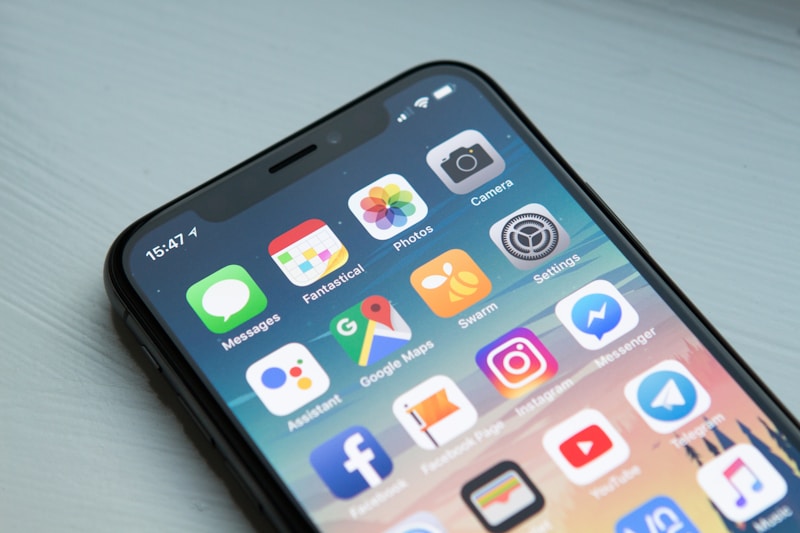
The way people browse the internet has fundamentally changed. More than 58% of all web traffic now comes from mobile devices, and that number keeps climbing. Yet many small businesses still treat mobile design as an afterthought.
If your website isn't built for mobile first, you're losing customers before they even see what you offer.
What Does Mobile-First Actually Mean?
Mobile-first isn't just about making your site look okay on a phone. It's about designing for the smallest screen first, then scaling up. This approach forces you to prioritize what matters most—your core message, your key products, your essential calls-to-action.
When you start with mobile, you strip away the clutter. You focus on speed, simplicity, and user experience. The result? A website that works beautifully on every device, not just desktops.
The Speed Factor
Mobile users are impatient. Studies show that 53% of mobile visitors abandon a site that takes longer than three seconds to load. Three seconds. That's less time than it takes to read this sentence.
Mobile-first design prioritizes performance. Smaller images, cleaner code, faster load times. These aren't just technical details—they're the difference between a new customer and a lost opportunity.
Google Rewards Mobile-First
Since 2019, Google has used mobile-first indexing. This means Google primarily looks at the mobile version of your site when deciding where to rank you in search results.
If your mobile experience is poor, your search rankings suffer. It's that simple. A mobile-first website isn't just good for users—it's essential for being found online.
Progressive Web Apps: The Game Changer
Here's where mobile-first gets really exciting. Modern mobile-first platforms can create Progressive Web Apps (PWAs)—websites that function like native mobile apps.
PWAs load instantly, work offline, send push notifications, and can be installed directly on a user's home screen. No app store approval needed. No download friction. Just instant access to your business.
For small businesses, this levels the playing field. You can offer the same seamless experience as major corporations, without the massive development costs.
The Cost of Waiting
Every day your website isn't mobile-first is a day you're turning away potential customers. They're bouncing to competitors who got it right. They're frustrated by pinching and zooming. They're leaving bad reviews about their experience.
The good news? Fixing this doesn't have to be expensive or complicated. Modern platforms make it possible to create a professional, mobile-first website in hours—not months.
Your Action Plan
Start by testing your current site. Pull out your phone and navigate through it like a customer would. Is it easy? Is it fast? Does everything work smoothly?
If the answer is no, it's time for a change. Look for platforms that prioritize mobile-first design, such as mobilefirst-personal.com offer PWA capabilities, and don't lock you into expensive long-term contracts.
Your customers are already mobile. Your business should be too. |
0 Comments
Join the conversation
Be the first to comment
Share your thoughts above.