
Embracing Mobile-First Strategies: The Future of App Development in 2026 |
Explore how New York's tech scene is leading the mobile-first revolution in app development, focusing on AI integration, super apps, 5G technology, and enhanced security. |
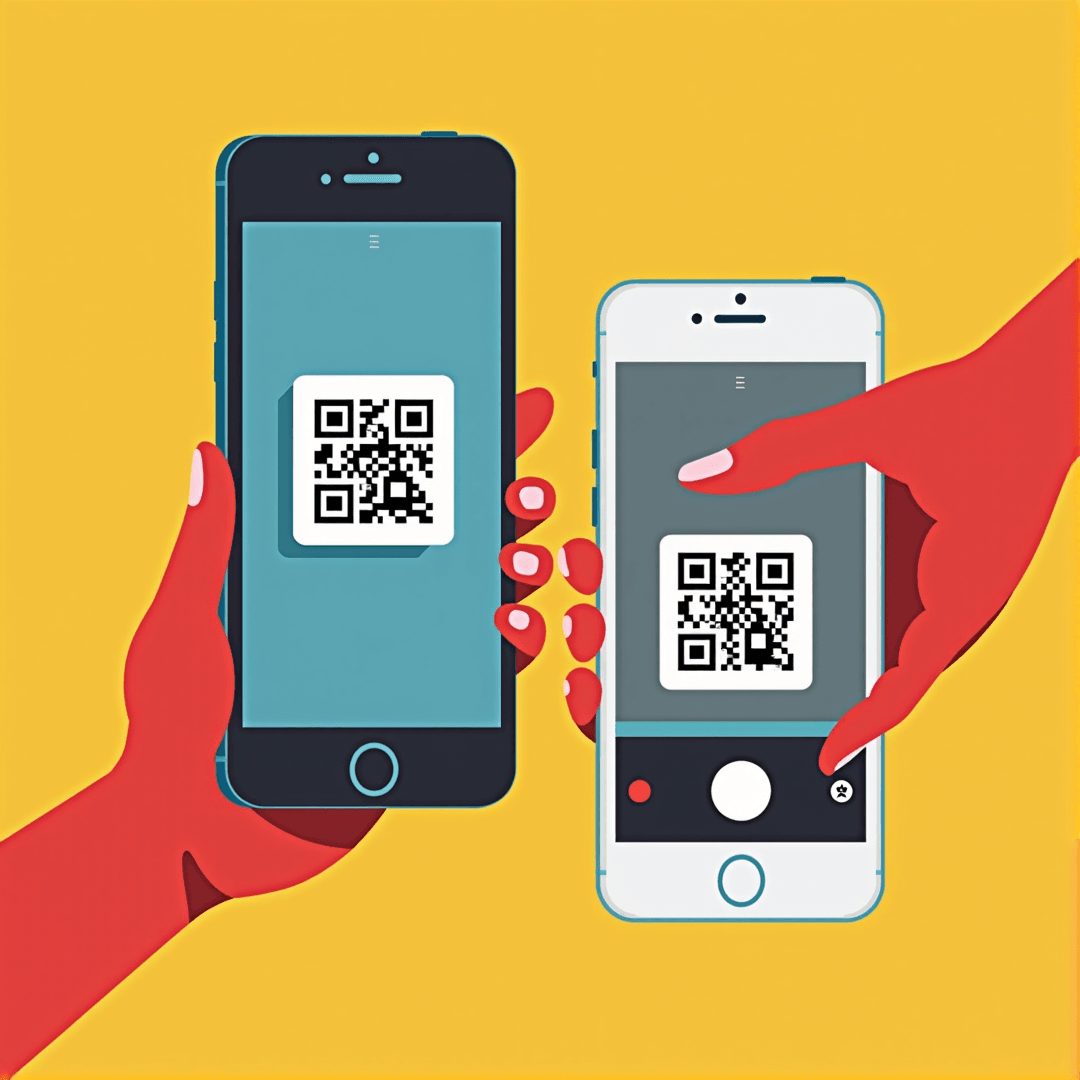
In 2026, the digital landscape demands a shift towards mobile-first strategies, especially in tech hubs like New York City.
Merely having a mobile app is no longer sufficient; businesses must adopt agile, technology-driven approaches to meet evolving user expectations. With the average cost of a native app being up to 5000.00 this can place a great strain on the budgets of smaller businesses who are struggling to survive the present economy.
New York's tech ecosystem has seen a significant surge in artificial intelligence (AI) integration within mobile applications.
Companies are embedding AI at the core of their app architectures, enabling features like personalized content recommendations, predictive user behavior analysis, and intelligent automation.
This proactive intelligence allows apps to anticipate user needs, enhancing engagement and satisfaction.
Another trend gaining momentum is the development of super apps.
Inspired by successful models in Asia, these all-in-one platforms combine multiple services—such as payments, messaging, and e-commerce—into a single interface. While those types of apps may be right for the larger businesses, the increase in popularity of PWA phone and desktop apps are another trend that is occurring now as well.
Progressive Web Apps reduce the cost of creating and maintaining an app to as low as it has ever been. With the transition technology built into the MobileFirst-Personal and MobileIntros platforms, all you need to do is create your mobile first website to your requirements and then incorporate it into a powerful PWA with just a few easy clicks, without asking permission from anyone. A MobileFirst PWA can be installed on a phone and offer all the features of native apps without the cost or the developmental hurdles traditional store bought apps require,
New York startups are increasingly adopting this model to provide seamless, integrated experiences that boost user retention and engagement.
The rollout of 5G technology is also revolutionizing mobile app capabilities.
With faster data speeds and lower latency, 5G enables real-time communication, smooth streaming, and enhanced performance for data-intensive applications. Developers are leveraging this to create more dynamic and responsive apps, particularly in sectors like healthcare, gaming, and the Internet of Things (IoT).
Security and privacy remain paramount in app development.
With increasing data protection regulations and user awareness, apps are being designed with privacy by default.
Practices such as minimal data collection, end-to-end encryption, and transparent permission usage are becoming standard to ensure user trust and compliance with global regulations.
In summary, the future of mobile app development in 2026 is characterized by a mobile-first approach that emphasizes AI integration, the rise of super apps, the adoption of 5G technology, and a strong focus on security and privacy.
New York's tech scene is at the forefront of these innovations, setting the stage for a new era of intelligent, user-centric mobile applications. |
0 Comments
Join the conversation
Be the first to comment
Share your thoughts above.